



This is Today’s Atkins®
It’s not just a diet—it’s life well lived.
Where you’ll learn how to get the most out of protein, and how to live a low carb life deliciously. All available to you for FREE!


Find the Right Atkins Plan for You
All three Atkins Plans are designed to help you achieve and maintain your goal weight. Once you choose a plan, explore Atkins bars, shakes, treats, and frozen meals, which can make reaching your goals even easier.
Atkins 20®

20g of net
carbs per day

Made for those who:
- Want the original approach for weight loss
- Your healthcare provider has recommended making dietary changes
- Appreciate stricter diet guidelines
Start with 20 net carbs a day with 12-15 net carbs from foundation vegetables and gradually increase your net carb intake over time.
Atkins 40®

40g of net
carbs per day

Made for those who:
- Want effective weight loss with more flexibility
- Need a wider variety of food choices
- Are looking for healthier eating habits on a lower carb approach
Eat 40 net carbs a day with 12-15 net carbs from foundation vegetables and gradually increase your net carb intake over time
Atkins 100®

100g of net
carbs per day

Made for those who:
- Want to maintain their weight or desire slow and steady weight loss
- Need the widest variety of food choices
- Want to adopt healthier eating habits with flexible food choices
Eat 100 net carbs a day with 12-15 net carbs from foundation vegetables, spread throughout the day.


What is a net carb?
In packaged or low carb foods and drinks:
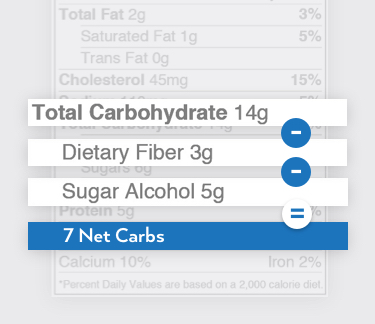
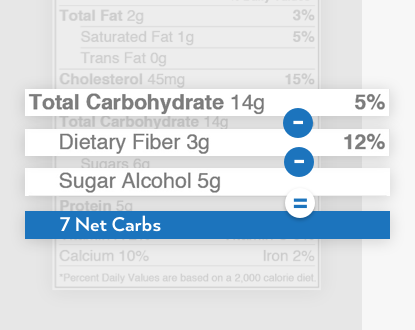
Net Carbs = Total Carbohydrates – Fiber – Sugar Alcohols – Allulose (if applicable)
In whole foods and drinks:
Net Carbs = Total Carbs – Fiber
Net carbs reflect the grams of carbohydrate that significantly impact your blood sugar level. When participating in an Atkins diet plan, you’ll need to calculate net carbs.
Get Your Atkins Favorites Via Delivery or Curbside Pickup

















Try Keto—The Atkins® Way
Atkins keto plans are more flexible and more personalized to provide a long-term plan for reaching your goals. Our free tools can help you even further.
Learn More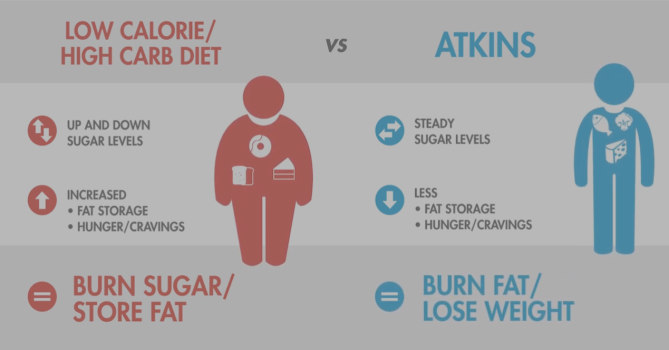
How a Low Carb Diet Works
A low carb diet focuses on limited carbohydrates to help the body burn fat instead of sugar for fuel. This contributes to higher, consistent energy levels throughout the day, allowing you to reach weight loss and weight maintenance goals.
Get StartedAtkins Your Ways
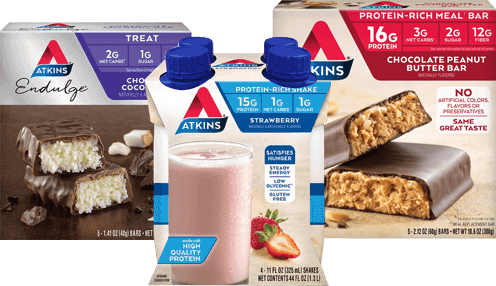
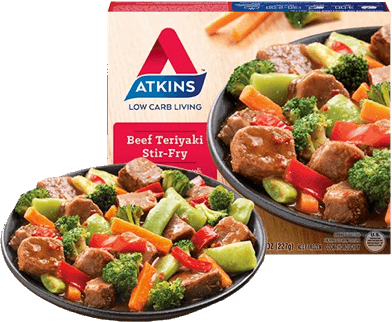
Discover tasty nutrition bars, shakes, snacks, and quick-prepared meals. Our foods are formulated by doctors and nutritionists on our science advisory board for our weight loss diet programs with the right balance of protein, fiber, carbs, and fat.


Q&A with Rob Lowe
You sent questions. He’s got answers. Get the full rundown on Atkins, straight from someone who’s been living it for years.
Watch the Videos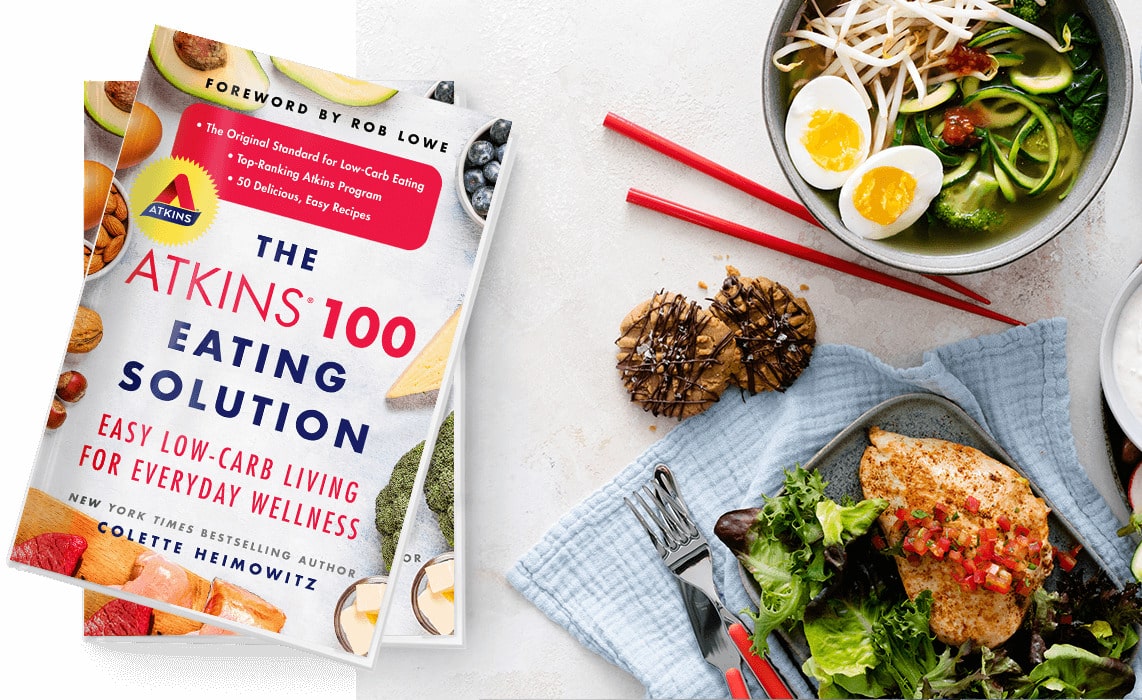
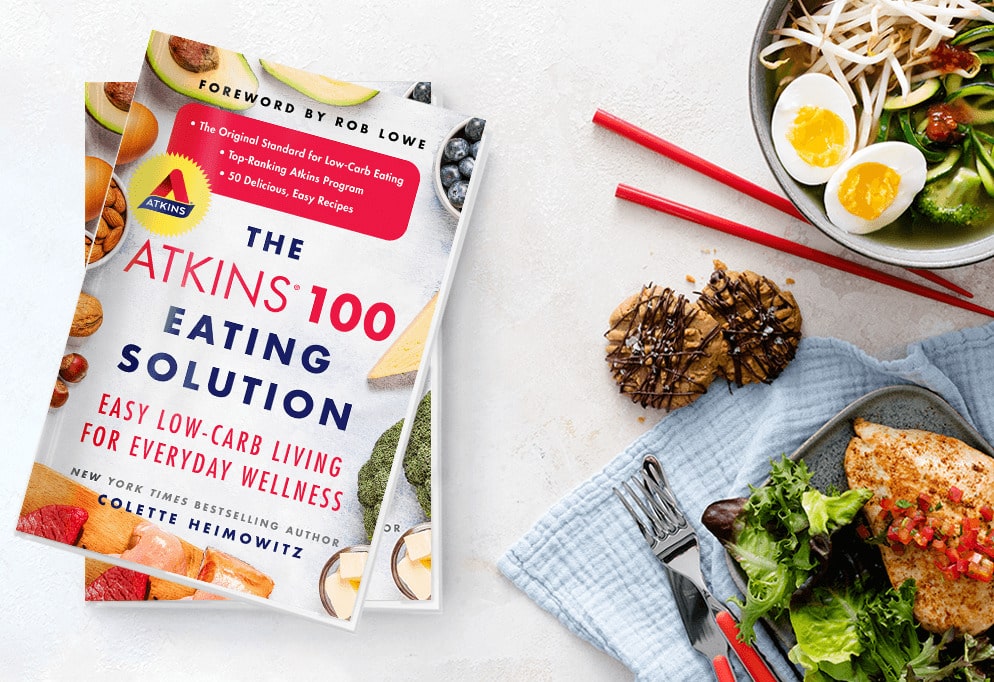
The Atkins 100™ Eating Solution
Break from vague fads and stressful diets—and find a clear-cut way to everyday wellness—with this new guidebook from New York Times bestselling author Colette Heimowitz. With easy-to-use instructions on how to easily modify each delicious recipe to fit your lifestyle, this guide offers a sustainable, delicious program designed with you in mind.
Get Your CopyOur Mission
To make eating right a part of everyday life through our advocacy, education, innovation, and products.
Learn More About Atkins